The first time our family dealt with altitude sickness was when we were in Gloriette, New Mexico in the higher mountains at 7500 feet. One of my sons actually fainted in the dining hall of the conference center. The next time was when we took our boys skiing at Breckenridge and Vail. Some of these slopes go up to 14,000 feet. Two of my sons had difficulty the first day. It’s at about 7500 feet that you first begin to have issues with the altitude. So here’s what we’ve learned from our trips to high altitude places and altitude sickness. Let’s take a look at eight tips to overcome altitude sickness that might just help you to avoid or lessen it.
- Increase water intake before your trip and while at high altitude. This helps to oxygenate your body. Hydration is key. Begin increasing hydration two days before and throughout your entire stay in high altitude.
- Avoid soft drinks, alcohol, and limit caffeine. Caffeinated drinks and alcohol decrease hydration. Proper hydration is key to adjusting to high altitude. While carbonated drinks won’t necessarily remove oxygen, they can contribute to dehydration due to ingredients like caffeine and sugar, which can exacerbate symptoms of altitude sickness. For this reason, experts recommend drinking plenty of water for proper hydration when adjusting to a higher elevation.
- Ascend gradually and increase sleep. After having issues with the altitude for snow skiing, we learned to fly into Denver and spend the night. Then gradually ascend to 10,000 feet. When helping other people to ski out West, I always advised this. You can climb at a higher altitude than you sleep. The altitude you sleep at is important. So sleep at a lower altitude than where you are exerting yourself physically. In our recent trip to Peru, we paid for business class airfare on the leg between Atlanta and Lima. We realized if we arrived after not being able to sleep on the plane overnight, our chances of altitude sickness would increase.
- Refrain from exerting energy when you first arrive at a high altitude. This is not the time to take a brisk walk or jog outside. Take it easy the first 24-48 hours at altitude. You’ll soon be out of breath and grasping for air. We never ski or hike in the first two days while acclimating to a higher elevation. In our recent trip to Peru, we waited two days before attempting to hike.
- Use Ginkgo Biloba. This can be bought as a tincture or in capsules. It’s a dietary supplement that relaxes blood vessels, improves blood flow, and increases oxygen and nutrient delivery. I used the tincture two days before and while I was at higher altitudes up to 12,500 feet.
- Drink coca tea. This herbal tea is readily available in many places in South America. Our hotel had it brewing all day and available in the lobby for everyone. While coca leaves and coca tea are legal and widely available in many South American countries, their importation into the United States is prohibited by U.S. Customs and Border Protection. (I did not know this until later!) Coca has long been viewed as a remedy in the Andean culture for symptoms experienced when traveling or working at high altitude.
Despite the common belief in coca, scientific research has, at best, shown that it is associated with modest physiologic changes. Because this culture has revered coca and used it for thousands of years, and anecdotes of travelers and explorers show it was used for altitude symptoms, it stands to reason there may be some advantage to using it. We drank the tea daily and even bought some of the leaves to chew while hiking. Just remember to leave the leftovers in South America if you don’t want to get sniffed out by dogs at the US border! Please don’t tell my pastor we were using cocaine!
In essence, the difference between the coca leaves and cocaine is the difference between a natural, complex plant with a long history of traditional use and a highly refined, potent, and dangerous chemical derived from it. Coca leaves are a natural plant used traditionally as a mild stimulant and nutritional supplement, while cocaine is a highly concentrated, chemically processed, and addictive drug extracted from the leaves.
- Administer Oxygen treatments. Oxygen is the quickest cure for altitude sickness. Our Marriott hotel offered 15 minutes of free oxygen, and we both took them up on it immediately when we landed in Cusco, Peru at 11,000 feet. Actually, they graciously let us do it again the next day without charging us. The concierge also brought an oxygen finger meter with the oxygen. Both of us measured from 82-85 on that test. But the concierge told us that most people who live in Cusco never get much above 90 on the oxygen meter. What a quick fix! After 15-20 minutes of oxygen, we were both close to 90. If you are traveling to a high-altitude area to explore, check with your hotel concierge ahead of time and see if this is readily available.
- Take Medications. There are both over-the counter and prescription medications available to help with altitude sickness. It’s best to check with your doctor before you leave for clearance and for how high is safe for you to go, and for recommendations or prescriptions for medications. We did not do this ahead of time and therefore did not use any medications. But it is something to consider.
The symptoms of altitude sickness are nausea, vomiting, headaches, fatigue, shortness of breath, and loss of appetite. We experienced mild headaches, fatigue, shortness of breath, and loss of appetite. Because of our age with both of us being 70 and over, we brought a blood pressure monitor. Both of our blood pressures went up and we learned this is perfectly normal. We hiked at Machu Picchu at 9 – 10,000 feet and did fine. And the day before, we hiked at 12,500 feet with little difficulty. But when we went back to Cusco at 11,000 feet, we had to adjust again. After doing some research, we decided to cancel our next excursion fearing that we might be pushing too hard. Our last day in Cusco was supposed to be hiking to view the Rainbow Mountains. When I realized our hike of three miles would be at 16,000 feet and we did not have clearance from our doctor, we decided to cancel that excursion. To jump from 11,000 feet to 16,000 rapidly might not be a good idea—especially at our age.
You must know your limits. In looking back, the one thing we failed to do was check with our doctor for recommendations and clearance. Something I now recommend.
What have you done to adjust to the higher altitudes that worked? Please share in the comments as we learn from each other.
View this message on YouTube:
Eight Tips to Overcome Altitude Sickness
For Your Health,
Ginny
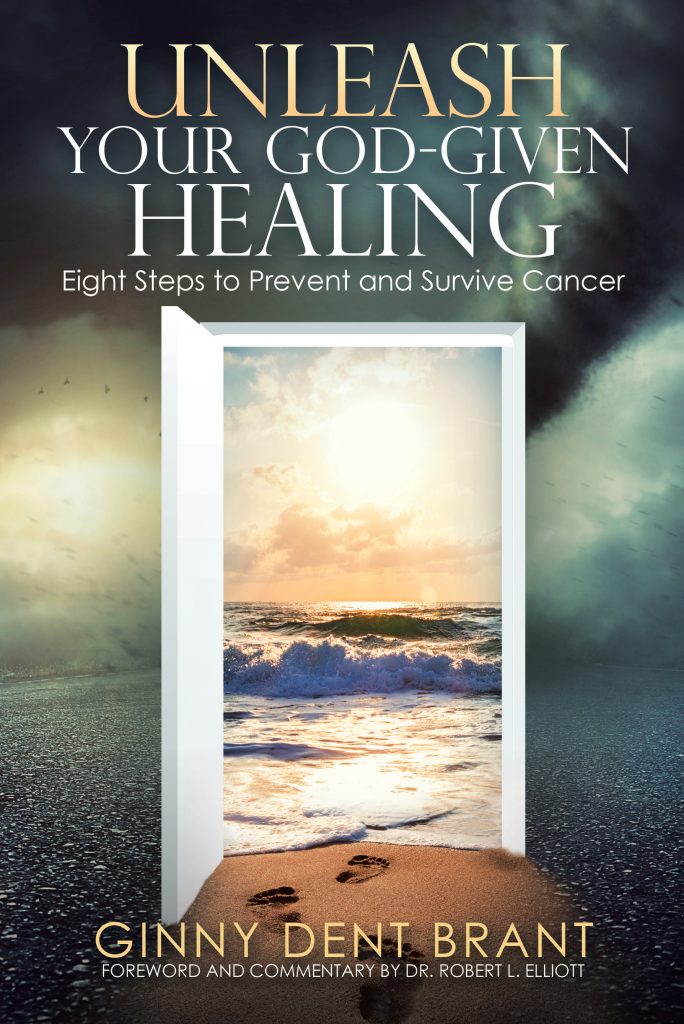 Ginny Dent Brant is a speaker and writer who grew up in the halls of power in Washington, DC. She has battled cancer, ministered around the world, and served on the front lines of American culture as a counselor, educator, wellness advocate, and adjunct professor. Brant’s award-winning book, Finding True Freedom: From the White House to the World, was endorsed by Chuck Colson and featured in many TV and media interviews. Unleash Your God-Given Healing: Eight Steps to Prevent and Survive Cancer was released in May 2020 after her journey with cancer and was recently awarded the First Place Golden Scrolls Award for Memoirs, a finalist in Serious Writers Book of the Decade, and Second Place in both Selah Awards for Memoirs and Director’s Choice Award for Nonfiction at the Blue Ridge Mountain Christian Writer’s Conference. It recently received the Christian Authors Network’s (CAN) Gold Award for Excellence in Marketing for reaching 62.5 million people with a message of cancer prevention and survival. It was written with commentary from an oncologist and was featured on CBN’s Healthy Living Show, Atlanta Live, and CTN’s Homekeepers along with over 75 media outlets. Learn more and cancer and wellness prevention blog and book information at www.ginnybrant.com. Ginny is on YouTube
Invite Ginny to speak at your church or event
Link to buy book at Unleash Your God-given Healing
Click to sign up to take Conquering Cancer Course
Ginny is a cancer coach. Make an appointment to meet with her:

You might also like